Back
The Missing Layer Between ERP and CRM in Wholesale
Why sales teams still rely on spreadsheets and email
Apr 21, 2026
Who this guide is for
This article is written for sales leaders, commercial teams, and founders at lifestyle brands selling wholesale to online and omni retail partners. If your team uses an ERP, a CRM, and still manages reorders and follow-ups manually, this guide will feel familiar.
What is the missing layer in wholesale sales?
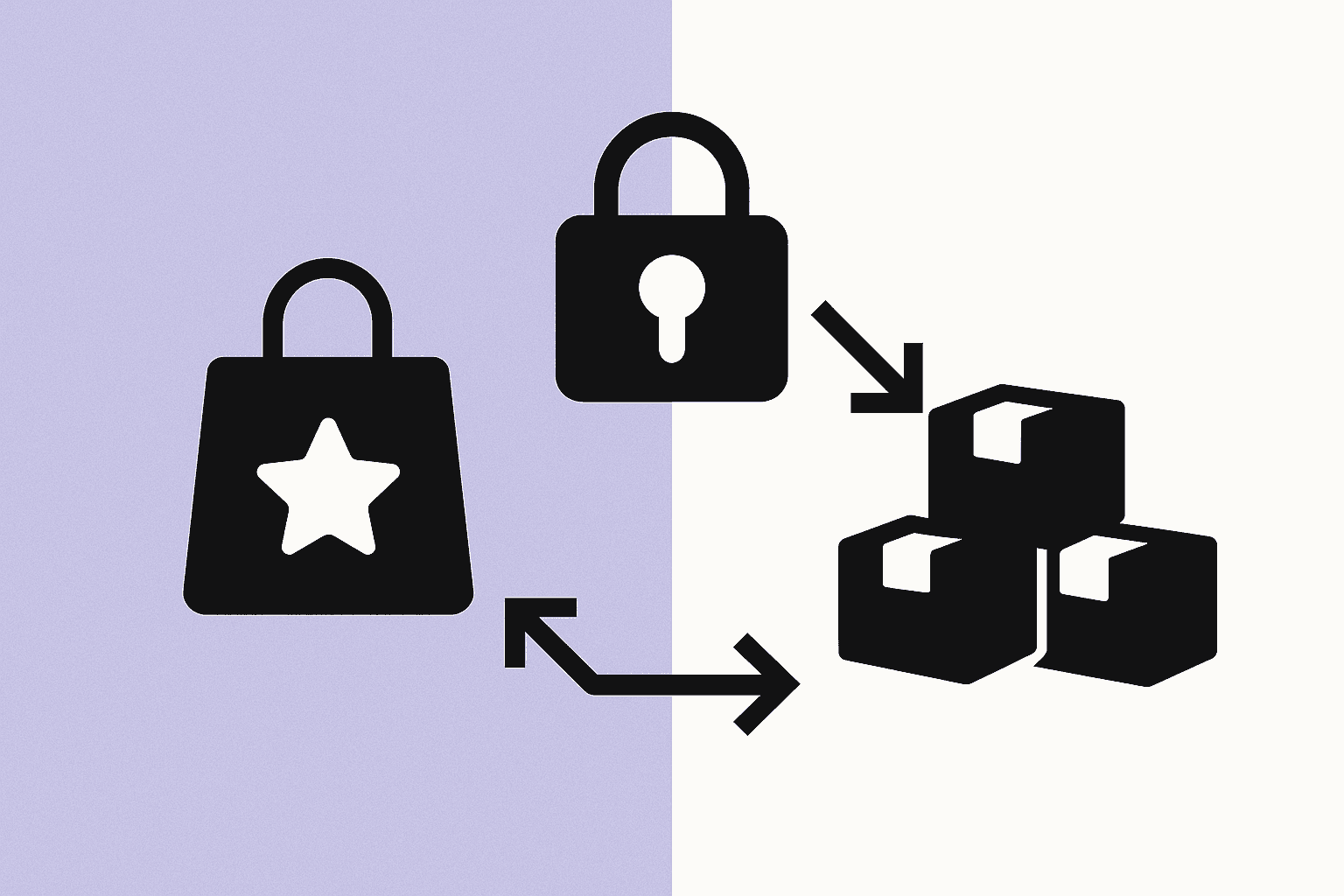
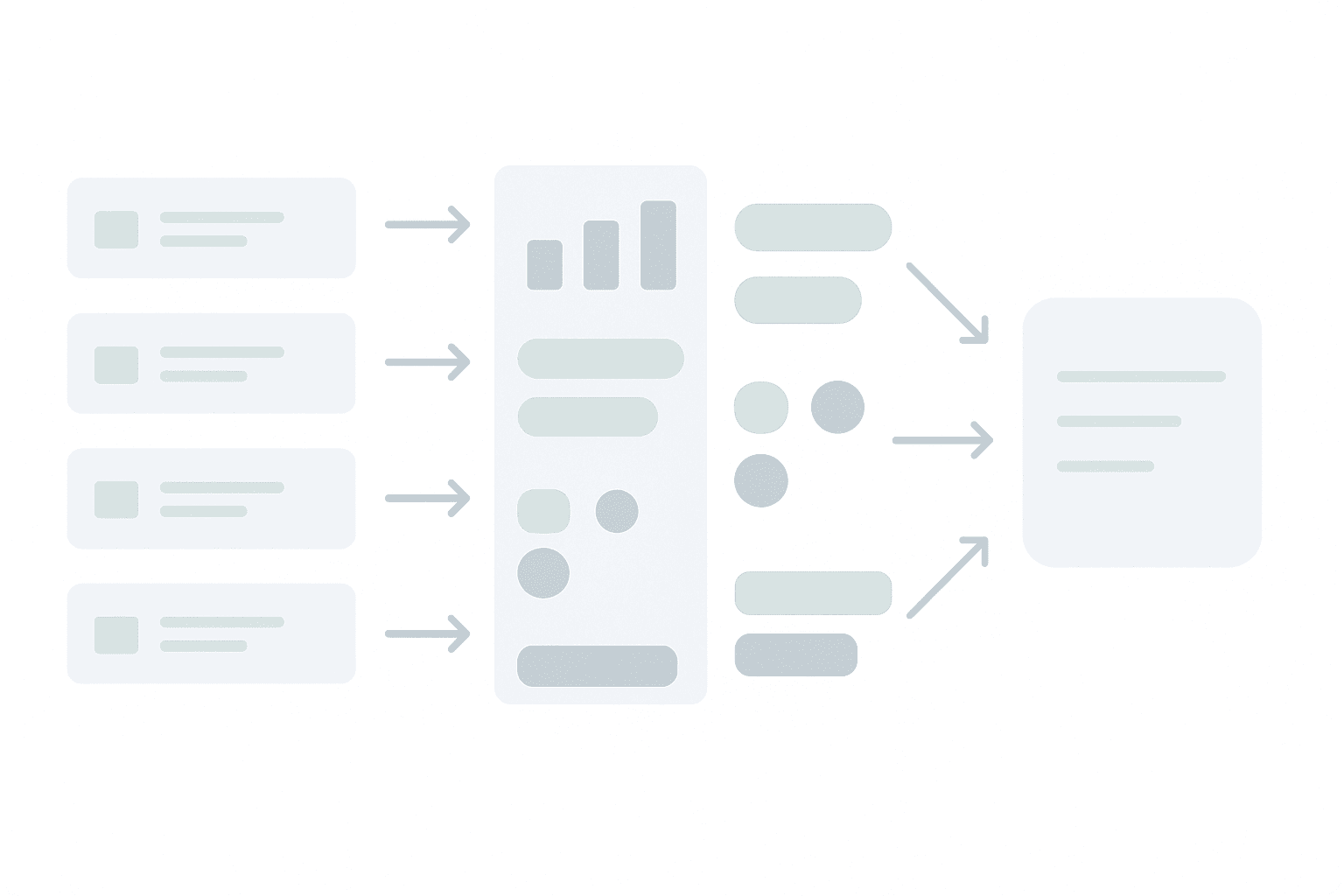
In wholesale sales, the missing layer is the execution layer that sits between ERP data and CRM relationships. It translates stock levels, order history, and campaign inputs into clear, daily actions for sales teams.
ERP systems show what has happened. CRM systems show who the partner is. The execution layer shows what should happen next.
Without this layer, wholesale sales execution becomes reactive.
Why ERP and CRM are not enough on their own
ERP and CRM systems are essential, but they were built for different purposes than wholesale execution.
ERP systems manage inventory, pricing, orders, and financial data. They are systems of record designed for accuracy and control. CRM systems manage contacts, accounts, and communication history. They are designed to track relationships and pipeline activity.
Wholesale sales teams need to act between those systems, not inside them.
What ERP systems do well, and where they stop
ERP systems are excellent at answering questions like what was ordered, what is in stock, and what has been invoiced. They are critical for operations, supply chain planning, and finance.
What ERP systems do not do well is guide daily sales work. They do not highlight reorder opportunities, prioritize retail partners, or surface missed orders in a way that is easy for sales teams to act on quickly.
ERP data is necessary, but not actionable on its own.
What CRM systems do well, and where they stop
CRM systems provide useful context about retail partners. They show who the partner is, who to contact, and when the last interaction took place.
In wholesale sales operations, this is helpful but incomplete. CRM systems are not designed to reflect stock status, reorder readiness, or campaign activation. A retail partner can look healthy in a CRM while their shelves are empty or their last reorder is overdue.
CRM activity often increases while sell-in stays flat.
Where the wholesale execution gap appears
The execution gap shows up at the exact moment sales teams need to decide what to do next. Which retail partners should reorder this week. Where stock is running low. Which campaigns have not been activated. Which partners are underperforming relative to their potential.
ERP holds pieces of the data. CRM holds the relationship. Neither system brings these signals together in a way that supports daily wholesale execution.
Why spreadsheets and inboxes become the workaround
Sales teams turn to spreadsheets and email because they are flexible and fast. They allow teams to track reorder timing, campaign follow-ups, and partner notes without waiting for system changes.
Over time, these workarounds become critical to wholesale sales workflows. They also introduce risk. Data becomes outdated. Knowledge lives with individuals. Follow-ups are missed when people are busy or leave the team.
What starts as a shortcut becomes a structural weakness.
The impact on wholesale sales performance
The cost of the missing execution layer is rarely obvious. It shows up as late reorders, underperforming longtail partners, and campaigns that lose momentum. Sales teams spend more time collecting information than acting on it.
As retail networks grow, these issues compound. Execution slows down while complexity increases.
Why the gap grows as brands scale
When a brand works with a small number of retail partners, manual execution can work. As the number of partners increases, it becomes impossible to maintain consistent follow-up without structure.
Scaling wholesale sales without addressing this gap leads to more tools, more spreadsheets, and more pressure on sales teams, not better outcomes.
What the missing layer needs to do
The missing layer in wholesale sales operations must translate data into action. It needs to surface priorities, trigger follow-ups, and make reorder opportunities visible across the entire retail network.
When sales teams have this structure, wholesale execution becomes predictable instead of reactive.
Closing the wholesale execution gap
ERP and CRM systems will remain core parts of the wholesale tech stack. But they do not solve execution on their own.
Closing the gap between them requires a system designed around order flow, retail partner behavior, and continuous sell-in. When sales teams operate with that structure, they can manage more partners, improve reorder timing, and grow wholesale revenue without increasing headcount.
Want the full picture?
Read our complete guide to wholesale execution for lifestyle brands. A practical breakdown of how modern brands run wholesale without spreadsheets, guesswork, or constant follow-ups.

Casper Brix
Co-founder
Casper Brix is the co-founder of Atlo. He draws on 7 years as Chief Purchasing Officer and commercial leadership, now helping lifestyle brands improve how they manage retail partners and grow their wholesale.
Ready to stop losing orders?
Latest posts
Discover other pieces of writing in our blog