Back
What Is Wholesale Execution?
How sales teams at lifestyle brands drive sell-in across online and omni retail partners.
Apr 4, 2026
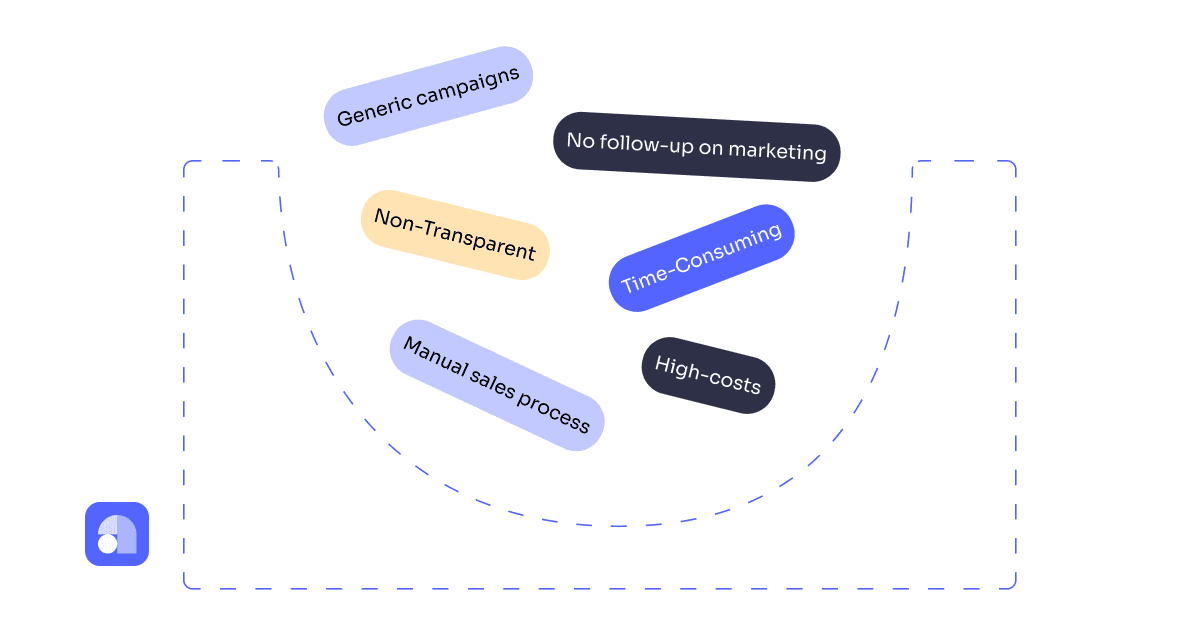
Sales teams working with retail partners face a different kind of complexity than pipeline sales. Your partners place orders continuously. Their stock changes daily. Their website availability shifts fast. Campaigns only work if they get activated. And when you manage 50–300 partners, small misses become real revenue loss.
That’s what wholesale execution is about. Not strategy decks. Not CRM notes. Daily action that protects and grows orders.
This guide covers what wholesale execution means in practice, why it matters, and how to build a setup that works across your full retail network.
Key takeaways
Wholesale execution is the ongoing work of driving orders across retail partners, not a one-time “close.”
The biggest failures come from slow stock visibility, inconsistent follow-ups, and longtail neglect.
ERP and CRM are useful, but they don’t run execution. Most teams patch the gap with spreadsheets and inboxes.
Strong wholesale execution depends on clear partner priorities, reorder signals, campaign follow-up routines, and weekly operating rhythm.
The fastest path to improvement is to define your execution model, then choose tooling that supports order flow and partner actions.
What is wholesale execution?
Wholesale execution is the set of repeatable actions a sales team uses to grow and protect sell-in across retail partners.
It’s the difference between “we shared the launch material” and “the launch actually went live with partners, on time.”
Wholesale execution typically includes:
Monitoring partner stock and availability for key products
Catching reorder signals early and acting on them
Following up on launches and promotions until they are activated
Prioritizing partners based on performance and potential
Managing the longtail so it stays active, not dormant
Keeping weekly routines that make outcomes predictable
If wholesale is the business model, wholesale execution is the operating system that makes it run.
Why wholesale execution matters for lifestyle brands
Lifestyle brands often depend on a large retail network. Many partners are online or omni and move fast.
Without a strong execution setup, three things happen:
You lose orders you never notice
Your team spends time on admin instead of selling
Growth becomes dependent on a few top accounts
Wholesale execution is how you prevent that.
Faster reorders, fewer stockouts
When you see stock gaps early, you can trigger reorders before the sale is lost.
Better campaign activation
Most campaigns fail after they’re sent because follow-up is inconsistent. Execution fixes that.
Higher contribution from the longtail
Your longtail partners often represent the largest “hidden” growth pool. Execution is how you unlock it.
Less manual work for sales reps
A good execution model reduces time spent pulling numbers, formatting spreadsheets, and digging through threads.
Common wholesale execution problems
If your team feels “busy” but results are uneven, it usually comes down to these issues:
1) Stock visibility comes too late
Sales teams often find out a partner is out of stock after days or weeks. By then the reorder window is gone.
2) Reorders happen by chance
Many reorders happen only when a partner asks or when someone remembers to check.
3) Campaigns are shared, not activated
Material gets sent. Nobody knows who posted it, when it went live, or what still needs follow-up.
4) The longtail becomes reactive
The top tier gets attention. The rest get touched only when problems appear.
5) Forecasting becomes fragile
Forecasts are built manually and quickly become outdated when demand shifts.
6) Execution depends on individual memory
When execution relies on “who remembers,” the outcome is never stable.
What strong wholesale execution looks like
Strong execution is simple. It’s not more meetings or more dashboards.
It looks like this:
Every partner has a clear “next step” each week
Reorder signals are visible early
Campaign follow-ups are systematic, not ad hoc
The longtail gets a consistent cadence
The team works from one source of truth for actions
Leaders can see what’s happening without asking for a custom export
If you can’t describe your team’s weekly execution rhythm in plain language, you don’t have one yet.
The essential building blocks of wholesale execution
Most sales departments improve execution when they standardize these components.
Partner prioritization
A simple model for who gets attention first.
Examples of partner tiers you can define:
Top accounts: high volume, high impact, frequent contact
Growth accounts: rising partners where follow-up pays off
Longtail: many accounts that need lightweight, consistent cadence
Inactive: accounts that need reactivation or clean-up
Stock and availability signals
A way to detect:
Low stock on key items
Out-of-stock on partner sites
Best sellers that are missing from assortment
Reorder workflow
A repeatable process that defines:
What triggers a reorder recommendation
Who follows up
How often
How it gets tracked
Campaign execution
A routine that makes sure launches don’t die in inboxes.
This usually includes:
Clear partner list for the campaign
Material distribution
Follow-up schedule
Status visibility: not started, in progress, activated, done
Weekly operating rhythm
Most teams benefit from a simple weekly cadence:
Monday: partner priorities and stock review
Midweek: reorder follow-ups and longtail touches
Friday: campaign status check and next week planning
The exact days don’t matter. Consistency does.
Tools that support wholesale execution
Most teams already have an ERP and a CRM. Those tools are useful, but they don’t cover the execution layer well.
Here’s how they typically map:
ERP: history and internal truth (orders, inventory, shipments)
CRM: contacts and conversation history
Spreadsheets: planning and patching gaps
Email: the default workflow for follow-ups
The execution gap shows up when your team needs to answer:
Who needs attention today?
Which partners are about to run out of stock?
Where are we missing orders?
Which campaigns are not activated yet?
What changed since last week?
If those answers require manual work every time, your execution layer is missing.
How to choose the right wholesale execution setup
This isn’t about picking “the best software.” It’s about picking a setup that matches your reality: continuous orders across many partners.
Step 1: Map your current workflow
List where execution actually happens today:
Email threads
Spreadsheet trackers
ERP exports
CRM tasks
Team chats
Weekly meetings
Be honest. That list is your current operating system.
Step 2: Define your non-negotiables
Most lifestyle brands selling to online and omni retailers need:
Fast stock and availability visibility
Partner-level next steps
A longtail cadence that is easy to run
Campaign follow-up structure
Clear status without manual reporting
Step 3: Decide what must be automated vs standardized
Not everything needs automation. Many teams win by standardizing first.
Examples
Standardize: weekly partner review cadence
Standardize: campaign follow-up checklist
Automate: reorder signals and reminders
Automate: status visibility across partners
Step 4: Run a real trial
Test your setup on real partner work:
One launch campaign
One reorder push
One longtail week
If the team doesn’t use it during a busy week, it won’t stick.
Implementation checklist
If you want to improve wholesale execution without making the team hate the process, do this in order:
Define partner tiers and ownership
Pick a small set of KPIs and signals
Create a weekly rhythm the team can repeat
Set up one campaign workflow and run it end-to-end
Add reorder signals and a consistent follow-up routine
Expand to longtail cadence once the core is stable
Small wins first. Then scale.
KPIs to track for wholesale execution
You don’t need twenty metrics. You need a handful that show if execution is working.
Common KPIs sales leaders track:
Reorder frequency by partner tier
Stockout days on key SKUs across top partners
Campaign activation rate (partners activated / partners targeted)
Longtail activity rate (partners touched with a clear action)
Sell-in change by partner tier (top, growth, longtail)
Time spent on admin per rep (rough estimate is fine)
Pick a few. Track them consistently. Improve the process before you add more metrics.
Mistakes to avoid
Treating wholesale like a pipeline: Wholesale is continuous. If you run it like “deals,” the workflow won’t match reality.
Overbuilding reports instead of workflows: A perfect dashboard doesn’t fix missed follow-ups.
Ignoring the longtail: The longtail is where you gain leverage if execution becomes lightweight and consistent.
Making the system dependent on one person: Execution must survive vacations, sick days, and turnover.
Changing the process every month: Stability beats novelty. Give the rhythm time to work.
FAQs
Is wholesale execution the same as wholesale operations?
They overlap, but wholesale execution is specifically about the repeatable actions that drive sell-in across partners: reorders, follow-ups, campaign activation, and partner priorities. Operations is broader and can include logistics, finance, and internal planning.
Can ERP or CRM solve wholesale execution alone?
Usually no. ERP is great for internal truth. CRM is useful for contacts and notes. Execution requires partner-level actions tied to orders, stock, and campaigns. Most teams end up using spreadsheets and email to fill the gap.
How long does it take to improve wholesale execution?
You can usually improve outcomes within weeks by standardizing partner priorities, setting a weekly rhythm, and running one campaign workflow end-to-end. Full maturity takes longer, but early gains come fast when follow-ups become consistent.
What’s the biggest lever to increase sell-in without hiring?
Consistency. Seeing reorder signals earlier, following up reliably, and running a longtail cadence that doesn’t collapse under workload.
Want a simple way to run wholesale execution without spreadsheets?
Atlo is built for sales teams at lifestyle brands working with online and omni retail partners. It helps you stay on top of partner actions, stock signals, reorders, and campaign follow-ups so execution becomes predictable across your entire network.
Want the full picture?
Read our complete guide to wholesale execution for lifestyle brands. A practical breakdown of how modern brands run wholesale without spreadsheets, guesswork, or constant follow-ups.

Casper Brix
Co-founder
Casper Brix is the co-founder of Atlo. He draws on 7 years as Chief Purchasing Officer and commercial leadership, now helping lifestyle brands improve how they manage retail partners and grow their wholesale.
Ready to stop losing orders?
Latest posts
Discover other pieces of writing in our blog